China Apostille Requirements: What to Prepare
China now accepts apostilled U.S. documents instead of consular legalization. Here is what San Jose applicants need for work, study, marriage, and business in China.
China now accepts apostilled U.S. documents instead of consular legalization. Here is what San Jose applicants need for work, study, marriage, and business in China.
A Spanish visa or residency usually needs an apostilled FBI background check plus a certified Spanish translation. Here is what Spain requires and how to prepare it from San Jose.
Whether a document needs an apostille or embassy legalization depends on the destination country. Here is how to tell which path applies and why it matters.
The Philippines now accepts apostilled U.S. documents instead of red-ribbon legalization. Here is what San Jose applicants need for marriage, dual citizenship, and family matters.
Korean visa, residency, and citizenship processes often require an apostilled FBI report. Here is how the federal authentication works for Korea and what to expect.
Teaching in Korea or handling family matters there means apostilling an FBI background check and often a degree. Here is what South Korea requires and how to prepare it from San Jose.
Documents used in Mexico usually need an apostille, and often a certified translation. Here is what applicants in San Jose should prepare and what to expect.
Mexico accepts apostilled U.S. documents, but each type follows its own route and most need a certified Spanish translation. Here is what San Jose applicants need to get it accepted.
Many dual-citizenship applications require an apostilled FBI report. Here is how the federal authentication works and what applicants in San Jose should expect.
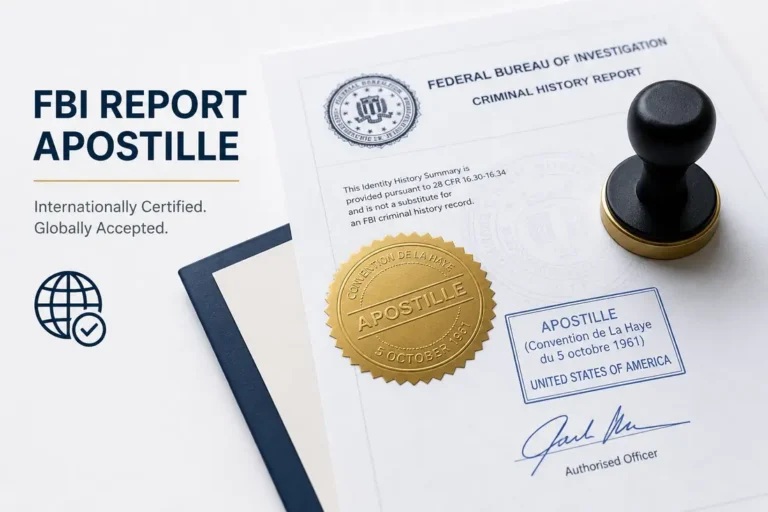
A federal document needs an FBI apostille from the U.S. Department of State; a California document needs a state apostille. Here is how to tell which yours needs and avoid a rejection.