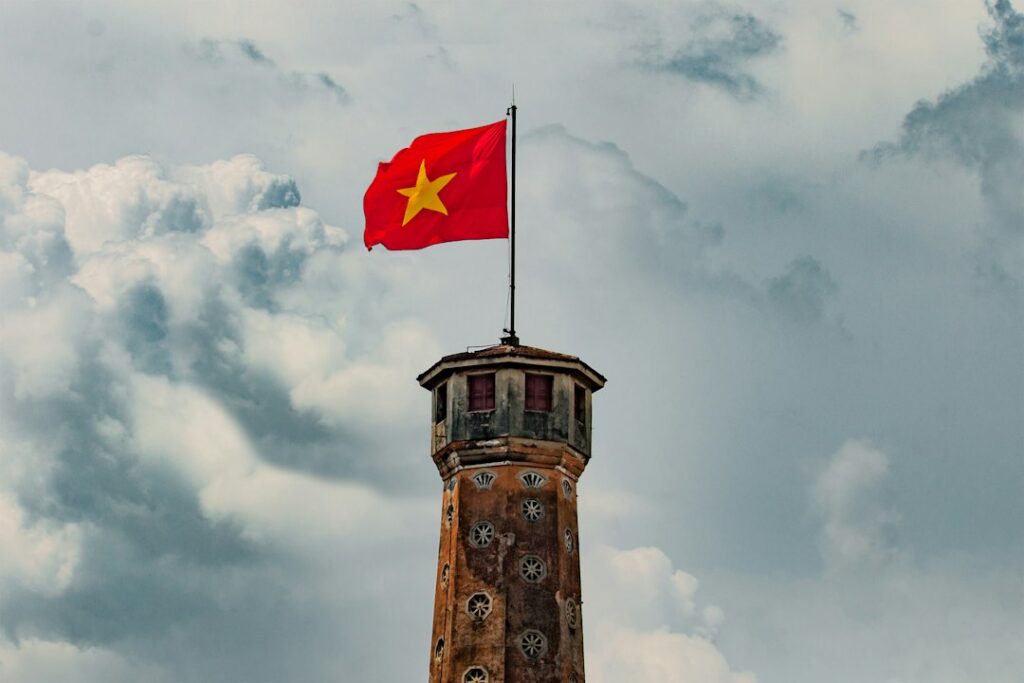
On 11 September 2026, the Hague Apostille Convention entered into force for Vietnam. A U.S. document going to Vietnam no longer needs legalization at the Vietnamese Embassy. One apostille is now the whole chain.
For anyone in San Jose sending paperwork home — a birth certificate for a family registration, a single status affidavit to marry in Vietnam, an FBI background check for a work permit, a power of attorney so a relative can sell property — this is the biggest change in years, and it makes the process faster and cheaper.
What actually changed
| Before 11 September 2026 | Now |
|---|---|
| Notarization or certified copy | Notarization or certified copy |
| State or federal authentication | Apostille — and that is it |
| Legalization at the Embassy of Vietnam in Washington, D.C. | No longer required |
Vietnam deposited its instrument of accession on 31 December 2025. Under the treaty there is a waiting period before entry into force, which is why the change only took effect on 11 September 2026. Vietnam issued its implementing decree, Decree 293/2026/ND-CP, on 23 July 2026, timed to take effect the same day.
What still needs consular legalization
The apostille route does not cover everything, and this is where people get caught out.
Still outside the apostille system
- Documents issued by diplomatic or consular officers. The Convention excludes these by design.
- Administrative documents dealing directly with commercial or customs operations. Trade and customs paperwork is specifically carved out.
- Documents from countries where the Convention is not in force with Vietnam. Germany, Austria and Czechia each objected to Vietnam’s accession, so the Convention did not enter into force between Vietnam and those three. Consular legalization still applies there. It does not affect documents coming from the United States.
What this means if you are in San Jose
A California-issued document — a birth certificate, marriage certificate, single status affidavit or notarized power of attorney — goes to the California Secretary of State for its apostille and is then ready for Vietnam. An FBI background check is a federal document, so it takes a federal apostille instead. Either way, the embassy step is gone.
In practice that removes a leg of the journey, a set of fees, and usually a couple of weeks. It does not remove the need to get the earlier steps right: the wrong notarial wording, an uncertified copy, or a translation done in the wrong order will still get a document refused in Vietnam.
If you are working through a document set for Vietnam, our apostille services page covers the tiers and timing, and FBI apostille covers the federal route. Cô Quinnie là người Việt và làm việc trực tiếp bằng tiếng Việt — see our trang tiếng Việt.
Questions people are asking
Do I still need to go to the Vietnamese Embassy?
No, not for a qualifying U.S. public document. Since 11 September 2026 a single apostille replaces the embassy legalization step for documents travelling between the United States and Vietnam.
I legalized my documents last year. Do I have to redo them?
No. Vietnam’s guidance confirms documents legalized before 11 September 2026 remain valid. Redoing them is unnecessary unless the receiving office in Vietnam has its own reason to ask for something newer.
Which authority issues the apostille for my document?
It depends on who issued the document. California-issued records — birth and marriage certificates, notarized affidavits and powers of attorney — go to the California Secretary of State. Federal records such as an FBI Identity History Summary need a federal apostille instead. Sending one down the other route gets it rejected.
Does my document still need a Vietnamese translation?
Usually, yes — the apostille authenticates the signature and seal, not the language or the contents. Whether a translation is required, and whether it must be done in Vietnam or can be done here, depends on the office receiving it. Confirm with them before you pay for a translation.
Is an apostille cheaper than the old legalization chain?
Generally yes, because a step and its fees drop out. You still pay the apostille fee and any notarization, translation or courier costs, but the embassy leg is gone.
What about commercial or customs paperwork?
Administrative documents dealing directly with commercial or customs operations are excluded from the Convention, so those still follow the older route. If your paperwork is trade-related rather than personal, check before assuming an apostille will be accepted.
Does this work in the other direction too?
Yes. A Vietnamese public document apostilled in Vietnam is now recognised in other Convention member states, including the United States, without further consular steps.
My document was in the middle of the old process when the rule changed. What now?
Bring it in and we will look at where it stopped. Depending on how far it got, it may already be usable, or it may be cleaner to restart on the apostille route. That judgement depends on the document and the office expecting it.
How long does the apostille itself take?
For California documents, standard service runs the longest and same-day is possible when the document reaches us early enough. Federal apostilles on FBI reports take considerably longer than state ones. Timing depends on the tier you choose rather than on Vietnam.
Can you help in Vietnamese?
Yes, in person rather than through a phone interpreter. Quinnie is Vietnamese and handles Tiếng Việt directly at our San Jose office, which is about 15 to 20 minutes from Little Saigon with free parking.
Note. Fingerscan Digital Inc. is not an attorney or law firm and cannot give legal advice. This article describes a change in document authentication procedure and is not advice about your particular filing. Requirements vary by the office receiving your document and can change; confirm with that office or with counsel before relying on any of it.