San Jose · Fingerprint Cards
Few things sting like mailing your prints across the country, waiting weeks, and getting the envelope back stamped rejected. With FD-258 ink cards it happens more than people expect, and almost always for reasons that were avoidable. Here is why a card comes back, and how to walk out of San Jose with one that gets accepted.
The short answer
Cards are rejected for four repeat offenders: smudged or over-inked impressions, wrong pressure that blurs the ridges, incomplete header information, and the wrong card version. An FD-258 card rolled by a technician who does it every day sidesteps all four, which is why a professional roll is worth it on the first attempt.
The four reasons FD-258 cards come back
Smudging & over-inking
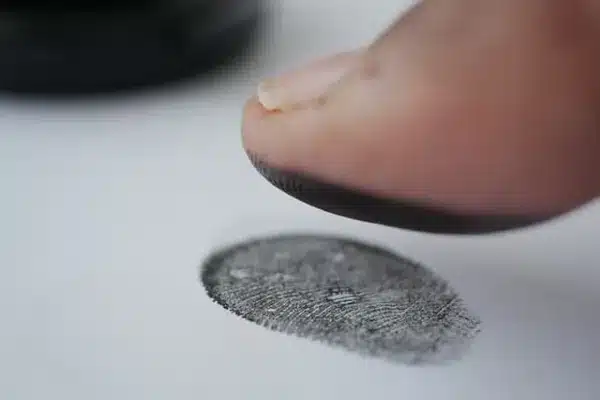
Too much ink fills the ridge valleys and the print reads as a blob. The examiner cannot classify it, so back it goes.
Wrong pressure
Press too light and the detail is faint; too hard and it smears. Even, rolling pressure is a learned skill.
Missing information
A blank name, birth date, or reason field at the top is an automatic return, no matter how clean the prints are.
Wrong card version
Some agencies want a specific card stock or format. The wrong one is refused before the prints are even read.
None of these are exotic. They are the everyday pitfalls that a walk-in service handles without thinking. If you need a card that clears on the first try, an ink fingerprint card rolled in-office removes the guesswork.
How a clean FD-258 card gets rolled

Bring your ID and the request
A valid photo ID and any instructions from the requesting agency, so the header fields and card type match exactly what they expect.
Prints rolled by hand, checked on the spot
Each finger is rolled with even pressure and inspected for clarity before you leave. A weak impression is redone immediately, not discovered weeks later.
Take a spare
A backup card at the same visit is cheap insurance against a lost envelope or a resubmission request down the line.
Ink card or Live Scan — which does your agency want?
Not every request accepts the same format. Some agencies, especially out-of-state boards and certain federal and international uses, specifically require a physical ink card. Others accept an electronic or card submission. The instruction sheet from whoever asked for your prints will say which, and if it is unclear, we help you read it before rolling anything. Matching the format to the request up front is what keeps the card from bouncing on a technicality.
FD-258 cards: quick answers
Why do these cards get rejected?
Smudged or over-inked impressions, uneven pressure that blurs the ridges, incomplete header information, or the wrong card version. A trained technician avoids each one.
Can I roll my own at home?
You can, but home-rolled cards are rejected at a high rate because ink and pressure are hard to control by hand. A daily technician is the reliable route.
What information has to be on it?
The header fields — full name, date of birth, reason for printing — must be complete and match your ID. A blank or mismatched field triggers a return.
How many should I get?
At least one spare beyond what the agency requests. A backup taken at the same visit saves a return trip.
Do you handle out-of-state applications?
Yes. Applicants who live here but apply to an out-of-state agency routinely have the card rolled in San Jose and mail it in.
Get a card that clears the first time.
Professionally rolled FD-258 ink cards in San Jose, checked for clarity before you leave. Bring your ID and the agency’s instructions — walk in or book ahead.